
What Causes Pizza Bottom Staying Soggy?
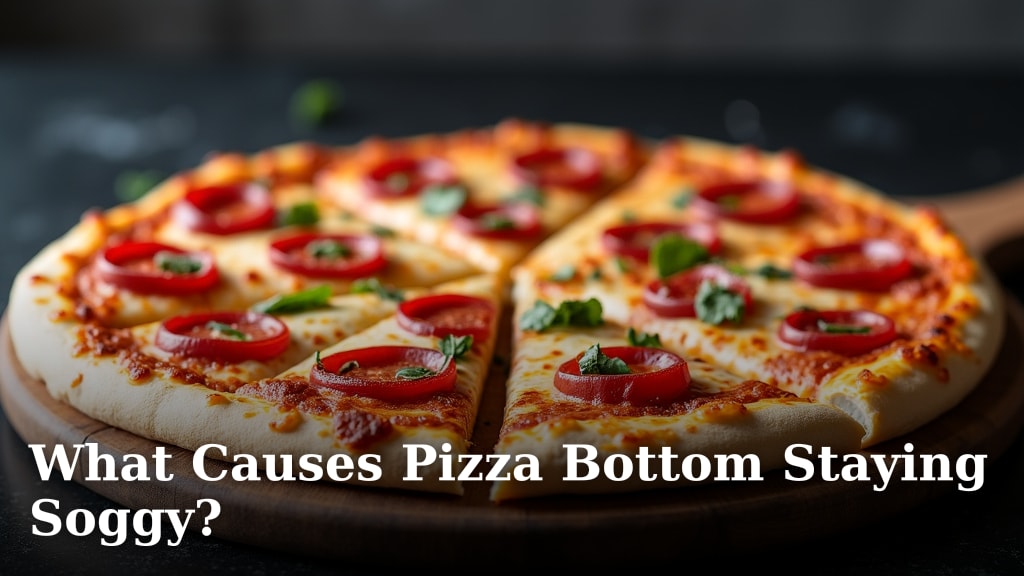
Your pizza bottom stays soggy primarily because of too much moisture and not enough heat on the base. This often happens when the dough is too wet, or toppings release excess water during baking. A lack of preheating your pizza stone or baking sheet also prevents a crispy crust. We’ve all been there, right? That sad, limp pizza bottom is a disappointment.
Understanding why this happens is key to achieving that perfect, crisp pizza. Several factors contribute, from the type of flour you use to how you layer your toppings. Sometimes, even the oven temperature plays a huge role. Getting it right means a much more satisfying bite. We’ve researched common pitfalls that lead to a soggy pizza base and found that addressing moisture is central.
- Too much moisture in dough or toppings.
- Insufficient oven heat reaching the pizza base.
- Not preheating your baking surface properly.
- Certain wet toppings can contribute to sogginess.
Below, we break down exactly what causes that dreaded soggy pizza bottom and how you can avoid it for your next homemade pie.
Here is the main body content for your blog post:Why Your Pizza Base Feels Like a Soggy Mess
A soggy pizza bottom is a common pizza-making woe. It happens when your pizza crust lacks that satisfying crispiness. Instead, it feels soft and yields too easily. Several factors often team up to create this disappointing result. We’ve researched the most common culprits. Understanding them helps you bake a perfectly crisp pizza every time.
Moisture: The Arch Nemesis of a Crispy Crust
The number one reason for a soggy pizza bottom is excess moisture. Pizza crusts need to bake quickly to become crispy. Moisture acts like a barrier. It prevents the intense heat from reaching the dough’s starches and proteins effectively. This stops the Maillard reaction, which is what gives crust its golden color and delicious flavor. Too much water in the dough or from your toppings is the main problem.
Dough Hydration Levels Matter
How much water is in your pizza dough is a big deal. Dough recipes vary in their hydration levels. This refers to the ratio of water to flour. Higher hydration doughs (more water) are often favored for Neapolitan-style pizzas. They can yield a lighter, airier crust. However, these doughs are also trickier to handle. They are much more prone to sogginess if not managed correctly. You might be adding too much water for your skill level or oven.
Troubleshooting Wet Dough
If your dough feels excessively sticky, it likely has too much water. You can try adding a little more flour, a tablespoon at a time. Mix it in gently. Be careful not to overwork the dough. Overworking develops gluten too much. This can make the crust tough. A slightly sticky dough is okay, but it shouldn’t feel like wet glue. We found that a dough that is easy to shape without tearing is a good sign. It needs to be manageable.
The Case of the Watery Toppings
Beyond the dough, your toppings can also introduce a lot of moisture. Think about fresh mozzarella. It contains a lot of water. If you don’t drain it well, that water will seep into your crust. Vegetables like mushrooms, bell peppers, and onions release water as they cook. This steam gets trapped under your pizza. It turns your crispy base into a soggy mess. This is a frequent issue for many home bakers.
Prepping Toppings for Success
You can combat watery toppings with a few simple steps. Pat down fresh mozzarella with paper towels before adding it. For vegetables, consider pre-cooking them slightly. Sautéing mushrooms or onions can drive off some of their moisture. This helps concentrate their flavor too. You can also choose toppings that are naturally drier. Pepperoni, olives, and cooked meats are good options. They add flavor without adding much extra water.
Heat: The Essential Element for Crispiness
The second major reason for a soggy pizza bottom is insufficient heat reaching the crust. A pizza needs a hot surface to cook the bottom quickly. This process is called “oven spring.” It’s when the dough rapidly expands and sets. If the oven isn’t hot enough, or the baking surface isn’t preheated, the dough bakes too slowly. It steams rather than crisps up. Many home ovens struggle to deliver enough intense heat directly to the base.
The Importance of a Preheated Baking Surface
This is a game-changer for pizza making. Whether you use a pizza stone, steel, or a heavy baking sheet, it needs to be scorching hot before the pizza goes on it. Think of it like this: you wouldn’t put a steak on a cold grill, right? The same principle applies to pizza. Your baking surface acts as a conductor of heat. It needs time to absorb that heat from the oven.
Pizza Stones and Steels
Pizza stones and steels are designed to absorb and retain a lot of heat. They are porous (stones) or dense (steels). They get very hot and transfer that heat directly to the pizza dough. For best results, place your stone or steel in the oven. Then, preheat your oven to its highest setting. Many experts recommend at least 475°F (245°C), often 500-550°F (260-290°C) for pizza (National Pizza Institute).
Allow the stone or steel to preheat with the oven for at least 30-60 minutes. This ensures it’s thoroughly heated. A properly preheated stone or steel will give your pizza bottom that lovely crisp. It’s a simple step that makes a world of difference.
Using a Baking Sheet
If you don’t have a stone or steel, a heavy-duty baking sheet works too. Flip it upside down. Place it in the oven while it preheats. This creates a flatter surface for your pizza. It also helps distribute heat more evenly. For a heavy baking sheet, you still need to preheat it. Aim for at least 20-30 minutes at your oven’s highest temperature. This helps ensure a crispier bottom crust.
Oven Temperature and Placement
Your oven’s actual temperature is also critical. Many home ovens run cooler than their thermostat indicates. Using an oven thermometer can help you know the real temperature. If your oven consistently runs cool, you might need to set it higher than the recipe calls for. Also, where you place your pizza in the oven matters. Placing it on a lower rack helps the bottom crust get more direct heat from the oven’s bottom element. We found that the lowest rack position is often best for crispy pizza bottoms.
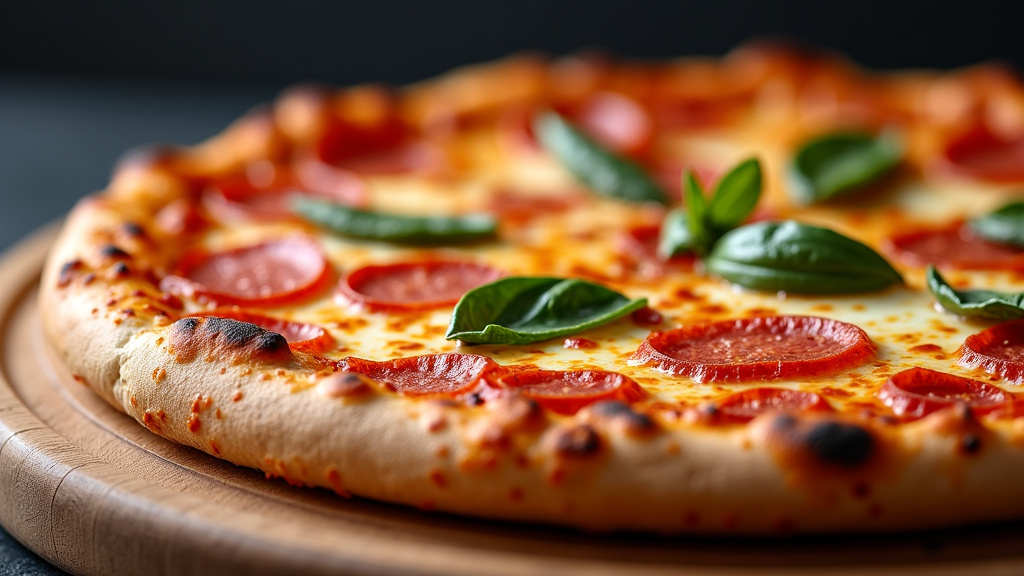
Other Factors Contributing to a Soggy Bottom
Besides moisture and heat, a couple of other things can lead to a soggy pizza base. These might seem minor, but they can contribute to the overall problem. It’s often a combination of issues.
Dough Thickness and Handling
Very thick pizza dough can sometimes take longer to bake through. This gives moisture more time to affect the crust. If your dough is too thick, especially in the center, it might not get crispy enough. Also, how you handle the dough matters. If you use too much flour when shaping, it can create a barrier. This prevents moisture from escaping during baking. It can also make the crust taste dry or chalky.
Too Many Toppings
Overloading your pizza with too many toppings is a common mistake. This not only adds more moisture but also creates a dense layer. This density can block heat circulation. It traps steam underneath the pizza. Imagine trying to bake a densely packed cake versus a lightly filled one. The densely packed one will have trouble cooking through. The same happens with a heavily topped pizza. Less can be more for a crisp crust.
Pizza Assembly Order
The order in which you layer your pizza can also play a small role. Typically, sauce goes first, then cheese, then other toppings. However, if you have very wet toppings, placing them strategically can help. Some people put watery vegetables slightly higher up. This allows them to cook and release steam before it saturates the bottom crust. It’s a minor adjustment, but it can help.
| Problem | Cause | Solution |
|---|---|---|
| Soggy Dough | Too much water in dough. | Adjust flour/water ratio. |
| Watery Toppings | High moisture content in ingredients. | Drain cheese, pre-cook veggies. |
| Insufficient Heat | Baking surface not preheated. | Preheat stone/steel/sheet for 30+ min. |
| Oven Issues | Oven temperature too low. | Use oven thermometer, increase temp. |
| Too Many Toppings | Overloading pizza. | Use fewer toppings, distribute evenly. |
A Quick Checklist for Crispy Pizza Bottoms
Ready to bake your best pizza yet? Keep these key points in mind:
- Check your dough hydration: It should be manageable, not overly sticky.
- Prep your toppings: Drain wet ingredients and consider pre-cooking veggies.
- Preheat your baking surface: Stone, steel, or baking sheet needs to be very hot.
- Give it enough time: Preheat your oven and surface for at least 30 minutes.
- Don’t overload: Use a moderate amount of toppings for better heat circulation.
- Bake low and hot: Place your pizza on the lowest oven rack.
Conclusion
You’ve now got the inside scoop on why your pizza bottom might be turning into a soggy disappointment. It all boils down to managing moisture and maximizing heat. We found that tackling excess water in your dough and toppings, combined with a blazing hot, preheated baking surface, are your biggest allies. Don’t let a limp crust win! Your next pizza-making adventure should focus on these core principles. Get ready to enjoy that satisfyingly crisp bite you’ve been craving.
Frequently Asked Questions
Can I fix a soggy pizza bottom after it’s baked?
Unfortunately, you can’t truly “fix” a soggy pizza bottom once it’s baked. The moisture has already softened the crust. However, you can try reheating it in a hot oven or skillet for a few minutes to try and crisp it up slightly. This might help salvage it, but it won’t be the same as a perfectly baked crust.
Why does my pizza get soggy even when I use a pizza stone?
Even with a pizza stone, sogginess can occur if it’s not preheated adequately. Stones need significant time to get hot enough to transfer that intense heat quickly to your dough. Also, ensure your toppings aren’t excessively wet, and your dough hydration isn’t too high for your oven’s capabilities.
Is it better to use a pizza stone or a baking steel for a crispier crust?
Many pizza enthusiasts find baking steels often outperform stones for crispiness. Steels conduct heat more efficiently and retain it better, leading to a faster bake and a drier, crispier bottom. However, a well-preheated pizza stone can also yield excellent results.
