
How to Fix Pizza Sticking to the Peel?
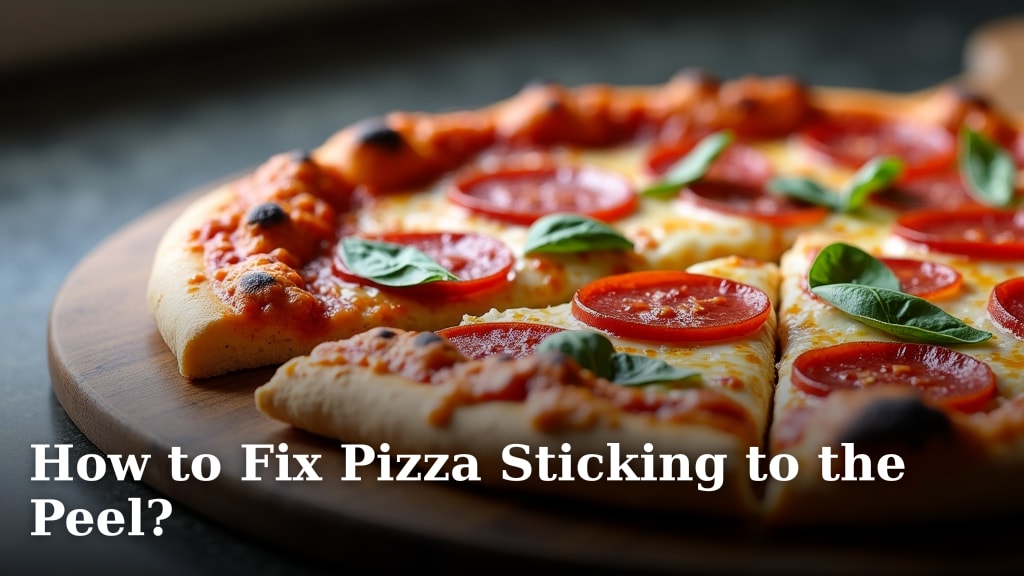
Pizza sticking to your peel is a common frustration, but don’t worry! The easiest way to fix pizza sticking to the peel is by using a generous amount of flour or cornmeal as a barrier and by moving the pizza quickly onto the peel. Proper preparation means a smooth launch every time.
We’ve all been there, right? You’ve crafted the perfect pizza, only for it to weld itself to the peel. This usually happens when the peel isn’t properly prepped or when the dough is a bit too wet. Understanding these simple steps can save your pizza night from becoming a sticky mess. Let’s get that pizza sliding!
- Use flour or cornmeal generously.
- Work quickly once the pizza is assembled.
- Ensure your peel is dry.
- Shake the peel to test pizza movement.
Below, we break down exactly how to prevent pizza from sticking to your peel, so you can get back to enjoying perfect pies. Let’s walk through it step by step!
Solving the Pizza Peel Sticking Problem
Ah, the dreaded pizza peel sticking! It’s like your perfect pizza decides it wants to stay put. We’ve all been there, right? You’ve worked hard on that dough, the toppings are beautiful, and then… it won’t budge. But don’t let a sticky situation ruin pizza night. Fixing this is simpler than you think. It often comes down to a few key preparation steps.
The Foundation: Flour or Cornmeal Magic
Think of flour or cornmeal as your pizza’s little roller skates. They create a smooth surface, allowing the pizza to glide off the peel easily. Using enough of this dry material is absolutely essential. Too little, and you’re asking for trouble. Too much? Well, a little extra flour on the bottom of your pizza isn’t the worst thing in the world.
Flour vs. Cornmeal: What’s Best?
Many pizza enthusiasts swear by cornmeal. We found that it tends to offer a slightly better ‘roll’ due to its coarser texture. It acts like tiny ball bearings. However, all-purpose flour works perfectly well too. Some people even mix the two. The main goal is to create a slippery layer between your pizza dough and the peel’s surface.
How Much is Enough?
This is where people often go wrong. You need a generous, even coating. Don’t be shy! Sprinkle it all over the peel, especially where the pizza will sit. Then, tap the peel to distribute it. You want to see a nice, white or yellow dusting, not just a few scattered specks. If you can still see a lot of the peel’s surface, add more.
The Quick Assembly Trick
Time is of the essence once your pizza dough hits the peel. The longer the dough sits, the more time it has to meld with the peel surface, especially if there’s any moisture. Research suggests that a wet dough will stick more readily to a dry surface (NCBI). So, assemble your pizza as quickly as possible once the dough is in place.
The ‘Shake Test’ for Readiness
Before you even start adding toppings, give your floured peel a little shake. Gently jostle it back and forth. Can you feel the dough move a little? If it feels stuck even at this early stage, add more flour or cornmeal. This simple ‘shake test’ is a great indicator of whether your peel is ready. If it doesn’t slide now, it definitely won’t slide later.
Working Smart, Not Hard
Have all your toppings prepped and ready to go before you stretch your dough. Think of it like a chef’s mise en place. When your dough is on the peel, you want to go from stretching to saucing to topping to launching with minimal delay. Every second counts to prevent that dreaded adhesion.
Troubleshooting Common Sticking Scenarios
Sometimes, even with the best intentions, pizzas can still get a bit sticky. Let’s look at why and what you can do to fix it. Often, the culprit is something subtle you might have overlooked.
The Dough’s Moisture Content Matters
Is your dough a little wetter than usual? This is a prime suspect for sticking. A high hydration dough is fantastic for creating a light, airy crust, but it can be more challenging to work with. If your dough feels very sticky or slack, you might need to use extra flour or cornmeal on your peel. Some experts suggest slightly reducing hydration for beginners or for peel-launch pizzas (King Arthur Baking).
What to Do with Wet Dough
If you’ve already made a wetter dough, don’t despair! First, use a really good amount of flour or cornmeal. Then, try to work quickly. If you have a pizza stone or steel, preheat it thoroughly. A hot surface helps the pizza cook and set quickly, releasing from the peel faster. Also, ensure you’re not overloading the pizza with wet toppings like fresh mozzarella or watery vegetables. These can add extra moisture.
The Peel Itself: Dryness is Key
Your pizza peel needs to be completely dry. Any residual moisture, whether from washing or humidity, can make the dough stick. Always make sure your peel is thoroughly dried after washing. We recommend air drying it completely or giving it a quick wipe down with a clean, dry towel. Never put a damp peel under your pizza dough.
Wood vs. Metal Peels
Many home cooks use either wooden or metal pizza peels. Wood peels can absorb a bit of moisture, which might seem like a disadvantage, but they also provide a slightly more forgiving surface for launching. Metal peels are great for sliding under pizzas easily, but they require a very consistent coating of flour or cornmeal to prevent sticking. Whichever you use, ensure it’s dry and well-dusted.
The Launch Technique: A Gentle Nudge
Sometimes, the way you try to launch the pizza can cause it to stick. If you yank or pull too hard, the dough can tear or stretch, getting caught on the peel. A gentle, confident ‘nudge’ or ‘flick’ of the wrist is often more effective. Imagine you’re trying to gently slide something off a table. A quick, decisive motion is better than a slow, hesitant pull.
Practice Makes Perfect
Like any skill, launching a pizza takes practice. Don’t get discouraged if your first few attempts aren’t perfect. Maybe try launching a practice pizza with just dough and flour. Get a feel for the peel’s movement. You’ll soon develop a sense for the right amount of flour and the best launching technique. It’s all part of the fun!
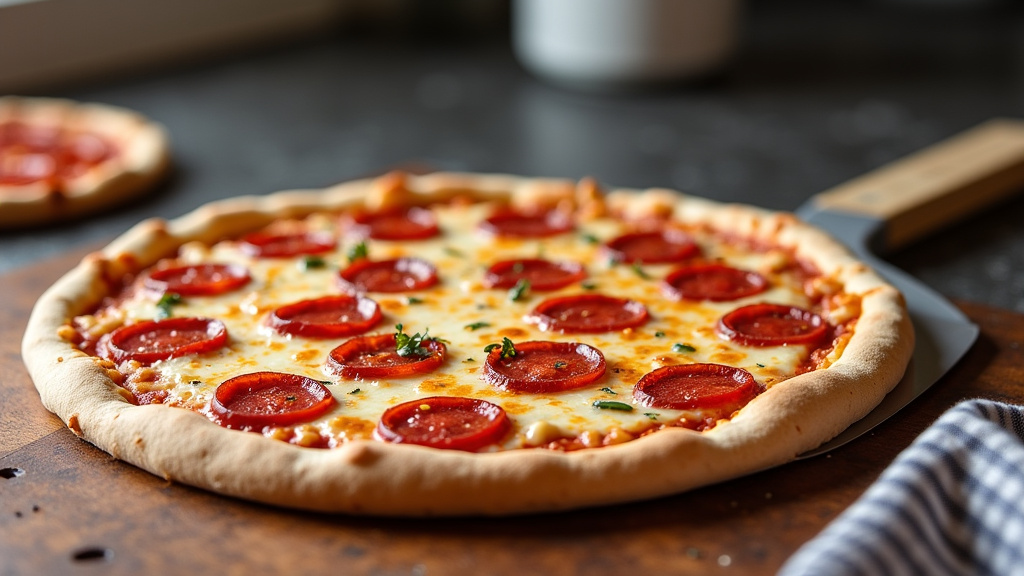
Quick Checklist for a Smooth Launch
Here’s a handy checklist to keep your pizza sliding perfectly:
- Generously flour or cornmeal your peel. Don’t skimp!
- Assemble your pizza quickly. The less time it sits, the better.
- Ensure your peel is completely dry. Moisture is the enemy.
- Perform the ‘shake test’. Can the dough move freely?
- Have all toppings ready before you start. Speed is key.
- Use a confident, gentle launch motion. Avoid yanking.
Conclusion
You’ve learned that a sticking pizza peel isn’t a deal-breaker! It’s all about setting up a slick barrier and working with speed. Remember, a generous dusting of flour or cornmeal is your best friend. And assembling your pizza quickly means less time for it to bond with the peel.
Your next pizza night should be much smoother. Keep these tips in mind, and you’ll be launching perfect pizzas like a pro. Don’t be afraid to practice that quick, confident launch!
Frequently Asked Questions
What if I don’t have cornmeal?
All-purpose flour works perfectly fine as a substitute for cornmeal. You just need that dry, powdery layer to create a barrier. Ensure you use a generous amount, just as you would with cornmeal, to get that smooth slide.
How can I tell if I used enough flour or cornmeal?
Give your floured peel a gentle shake before adding toppings. If the dough moves freely and you can see a consistent layer of flour or cornmeal covering most of the peel’s surface, you’ve likely used enough. If it feels stuck, add more!
My pizza dough is very wet. What should I do?
Wet dough needs extra help. Use an even more generous amount of flour or cornmeal on your peel. Work very quickly once the dough is on the peel, and consider preheating your pizza stone or steel thoroughly to help the pizza cook and release faster.
Can I prepare my peel ahead of time?
It’s best not to. While you can pre-measure your flour or cornmeal, you should dust your peel right before you place your pizza dough on it. This ensures the flour or cornmeal is fresh and hasn’t absorbed any moisture from the air.
What’s the best way to clean a pizza peel after use?
For most peels, a simple brushing off of excess flour and dough is sufficient. If it needs washing, use minimal water and dry it *immediately* and thoroughly. Avoid soaking wooden peels, and ensure metal peels are completely dry before storing to prevent rust or sticking issues next time.
