
How to Convert a Pizza Oven from Wood to Gas?
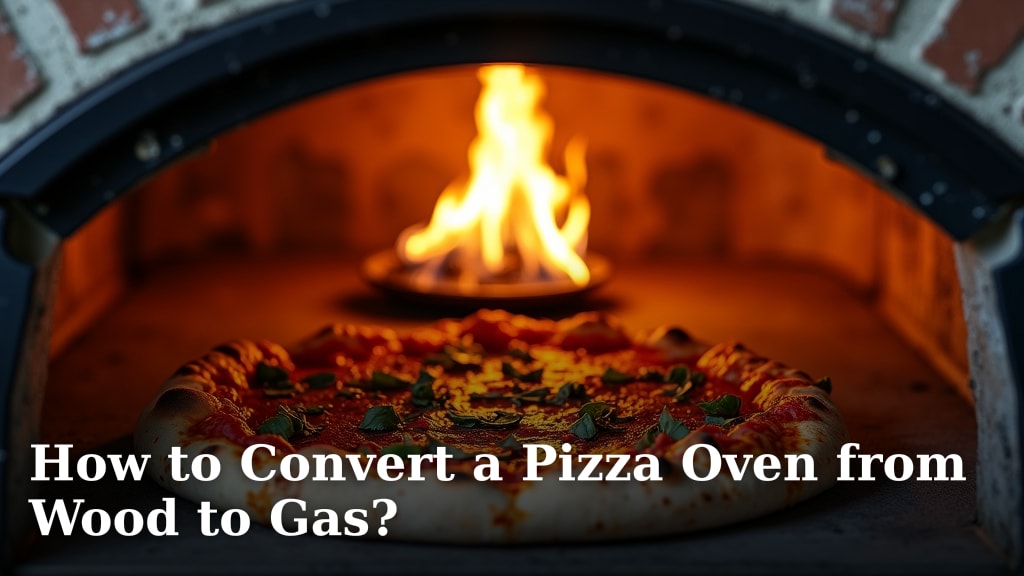
Yes, you absolutely can convert your wood-fired pizza oven to run on gas! It’s a smart way to get the You’re considering gas, and this article compares electric or propane pizza oven options.best of both worlds. You’ll enjoy the convenience of gas with the authentic flavor of wood. Many people find this conversion improves oven control.
This change allows for quicker heat-up times and more consistent temperatures. You won’t have to constantly feed the fire. It’s a popular upgrade for home cooks who love pizza. Think of the effortless entertaining you’ll do!
- Convert wood pizza oven to gas easily.
- Gain faster heat-up and better temperature control.
- Enjoy convenient cooking without constant wood tending.
- Achieve authentic pizza flavor with gas simplicity.
- Many kits and professional services are available.
Ready to make the switch? Let’s walk through exactly how this conversion works step by step.
Transforming Your Wood Pizza Oven to Gas: A Practical Guide
You’re thinking about converting your beloved wood-fired pizza oven to gas. That’s a fantastic idea! Many home cooks are making this switch. It offers a great blend of convenience and authenticity. You can get that smoky, delicious pizza flavor without the constant hassle of managing wood. It’s all about making your pizza-making experience even better.
Why Make the Switch to Gas?
Converting to gas brings some major advantages. The biggest benefit is control. Gas offers precise temperature regulation. You can easily adjust the flame up or down. This means no more guessing or struggling to keep a steady heat. It’s like upgrading from a manual transmission to an automatic. You get a smoother, more predictable ride.
Another huge plus is speed. Gas ovens heat up much faster than wood-fired ones. You can go from cold to pizza-ready in a fraction of the time. Think about those spontaneous weeknight pizza cravings. No more waiting an hour for the oven to get hot enough. Plus, you avoid the mess of ash and embers. Cleaning becomes a breeze. Many users report a more consistent cooking environment too.
Understanding Your Conversion Options
So, how do you actually make this happen? You have a few main paths. The most common is using a gas conversion kit. These kits are designed specifically for pizza ovens. They typically include a burner, gas regulator, and all the necessary fittings. Some kits are universal, while others are made for specific oven models. Always check compatibility before buying.
Alternatively, you can hire a professional service. Many companies specialize in these conversions. This is a great option if you’re not comfortable with DIY projects or if your oven is complex. Professionals have the tools and expertise to ensure a safe and efficient installation. They can also advise on the best type of burner and gas setup for your needs. It’s a bit more expensive, but it offers peace of mind.
A less common, but still possible, route is a custom build. This involves designing and fabricating your own gas system. It’s for the experienced DIYer or engineer. It allows for maximum customization but requires significant knowledge of gas lines and safety regulations. For most home cooks, a kit or professional service is the way to go.
Choosing the Right Gas Burner
The heart of your conversion is the gas burner. There are a few types you’ll encounter. The most popular is the U-shaped burner. This design distributes heat evenly across the oven floor. It’s excellent for achieving consistent pizza cooking. You’ll find many conversion kits feature these.
Another option is a tube burner. These are often longer and can be positioned in various ways. They might offer a different heat profile. Some people prefer them for searing. It really depends on the oven’s design and your cooking style. Researching different burner shapes can help you decide.
You also need to consider the gas source. Most conversions use either natural gas or propane. Propane tanks are common for home use because they’re portable. Natural gas requires a direct connection to your home’s supply line. This is more permanent but offers unlimited fuel. Always ensure your chosen burner is compatible with your gas type.
Step-by-Step: The Conversion Process (DIY Kit Example)
Let’s walk through what a typical DIY conversion might look like. Remember, safety is key! Always follow the manufacturer’s instructions precisely. If you have any doubts, stop and consult a professional. Next, you’ll connect the gas supply, and this guide details how to connect propane to a pizza oven.
1. Prepare Your Oven
First, you’ll need to clear out your existing wood-fired oven. Remove all ash, embers, and any old wood. Make sure the oven interior is clean and dry. You’ll also need to identify where the gas burner will be installed. Most kits are designed to fit through an existing opening or require you to create one.
2. Install the Burner Assembly
This is where you’ll mount the gas burner. It usually involves attaching the burner to a bracket or support. Some ovens might need a small hole drilled for the gas line. The burner should be positioned so it heats the oven floor and dome effectively. Many kits come with templates or guides for placement. Ensure it’s securely fastened.
3. Connect the Gas Line and Regulator
Next, you’ll connect the burner to the gas supply. This involves attaching the regulator to the burner and then connecting the gas hose. If using propane, this hose will lead to your tank. For natural gas, it connects to your home’s supply. Use the provided fittings and Teflon tape for all threaded connections. A good seal is critical to prevent leaks.
4. Test for Leaks (Crucial Step!)
This is perhaps the most important step. You MUST check for gas leaks. Mix a solution of soapy water. Apply it generously to all connections you made. Turn on the gas supply slightly. If you see any bubbles forming, you have a leak. Turn off the gas immediately and tighten the connection. Repeat until no bubbles appear. Never use a flame to test for leaks! This is extremely dangerous.
5. Initial Firing and Calibration
Once you’re sure there are no leaks, you can do your first test fire. Light the burner according to the kit’s instructions. Let it run for a while. Observe how the heat builds. You’ll likely need to adjust the flame height and position. Some ovens may require minor modifications to the insulation or dome for optimal heat distribution. This is where you get a feel for your new gas system.
What About Flavor? Wood vs. Gas
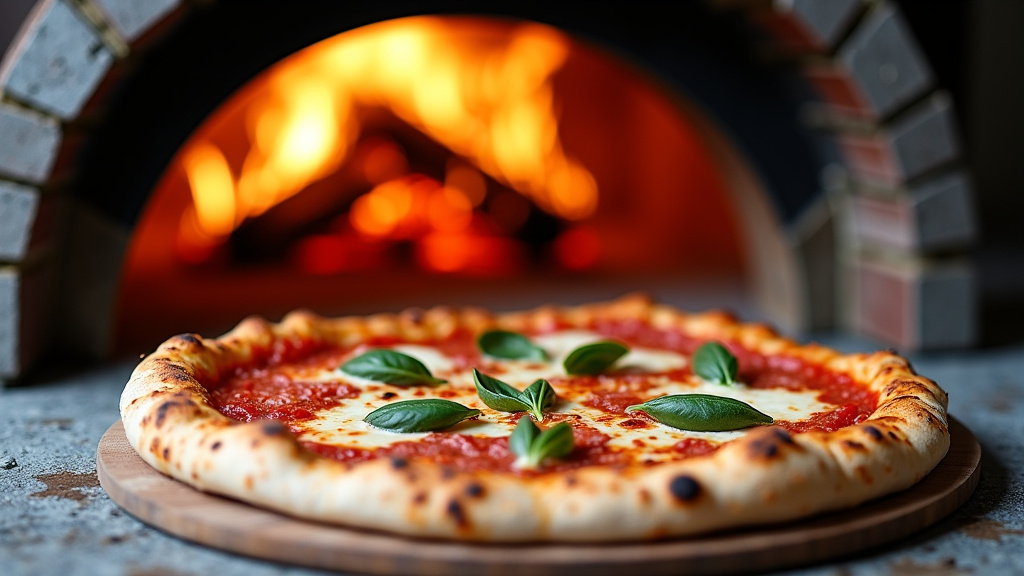
A common question is about flavor. Will you lose that authentic wood-fired taste? Many people find that gas ovens still produce delicious pizza. The high heat of a pizza oven is the primary driver of crisp crusts and cooked toppings. Gas provides this high heat very effectively.
Some argue that the smoke from burning wood imparts a unique flavor. While this is true, you can still achieve a smoky aroma. Some conversion kits include a small wood chip tray. You can add a few wood chips to the oven while it’s running on gas. This gives you a hint of smokiness without the full wood fire. Research shows that the rapid cooking time at high temps is key to pizza texture and flavor, which gas excels at (NCBI).
Safety First: Essential Precautions
Working with gas requires serious attention to safety. Always install your conversion kit in a well-ventilated area. Ensure you have a working carbon monoxide detector nearby. Gas leaks are dangerous, so that leak test is non-negotiable.
Never leave a gas appliance unattended. Keep flammable materials away from the oven. Understand the limits of your conversion kit and your oven. If you’re ever unsure about the safety or installation, always call a qualified professional. Following local building codes for gas appliances is also wise. Many fire departments offer guidance on safe appliance use.
Maintenance for Your Gas-Converted Oven
Your gas-converted oven will need some regular upkeep. Check the burner for any blockages or debris. Ensure the gas lines are free from kinks or damage. Periodically re-check for gas leaks, especially after a long period of non-use.
Clean the oven interior regularly to remove any food debris. This helps maintain optimal heat flow. The exterior of the oven should also be cleaned according to its material (e.g., brick, stainless steel). Proper maintenance ensures your oven runs safely and efficiently for years to come. It keeps your pizza parties rocking!
Your Gas Pizza Oven Checklist
Ready to get started? Here’s a quick rundown of what you’ll need to consider:
- Confirm oven compatibility with conversion kits.
- Choose between a DIY kit or professional installation.
- Select the right type of gas burner (e.g., U-shaped).
- Decide on your gas source (propane or natural gas).
- Prioritize safety with leak tests and ventilation.
- Understand flavor differences and potential smoky additions.
Conclusion
You’ve learned that converting your wood-fired pizza oven to gas is a totally achievable upgrade. It brings convenience and precision, letting you focus on crafting amazing pizzas without constant fire tending. Whether you choose a DIY kit or professional help, the process is straightforward. You can still get that delicious flavor you love, often with the option to add a touch of smoke. Get ready to enjoy effortless entertaining and perfectly cooked pies whenever the craving strikes. Your next step is to research conversion kits for your specific oven model and take the leap!
Frequently Asked Questions
Will I lose the wood-fired flavor if I switch to gas?
You might notice a subtle difference, as the smoke from burning wood is part of the traditional flavor. However, many find the high heat from gas provides excellent crispness and cooks toppings beautifully, which is key to pizza taste. Some kits even offer ways to add a hint of smoke.
Is a gas conversion kit difficult to install yourself?
Installation difficulty varies by kit and your DIY experience. Most kits are designed for home cooks and come with clear instructions. If you’re not comfortable with tools or gas lines, hiring a professional is a smart choice for peace of mind.
Can I use any type of gas with a conversion kit?
Conversion kits are typically designed for either propane or natural gas. You’ll need to decide which fuel source works best for your setup. Propane tanks are common for flexibility, while natural gas requires a direct home connection.
How do I know if my pizza oven is compatible with a gas conversion kit?
Always check the specifications of the conversion kit. Many kits list compatible oven brands or dimensions. It’s also a good idea to measure your oven’s opening and consult the kit manufacturer directly if you’re unsure.
What is the most important safety step during a gas conversion?
The most critical step is testing for gas leaks after connecting your lines. Use a soapy water solution on all connections and look for bubbles. Never use a flame to check for leaks, as this is extremely dangerous. Always ensure proper ventilation.
