
How to Cool Down a Pizza Oven Safely?
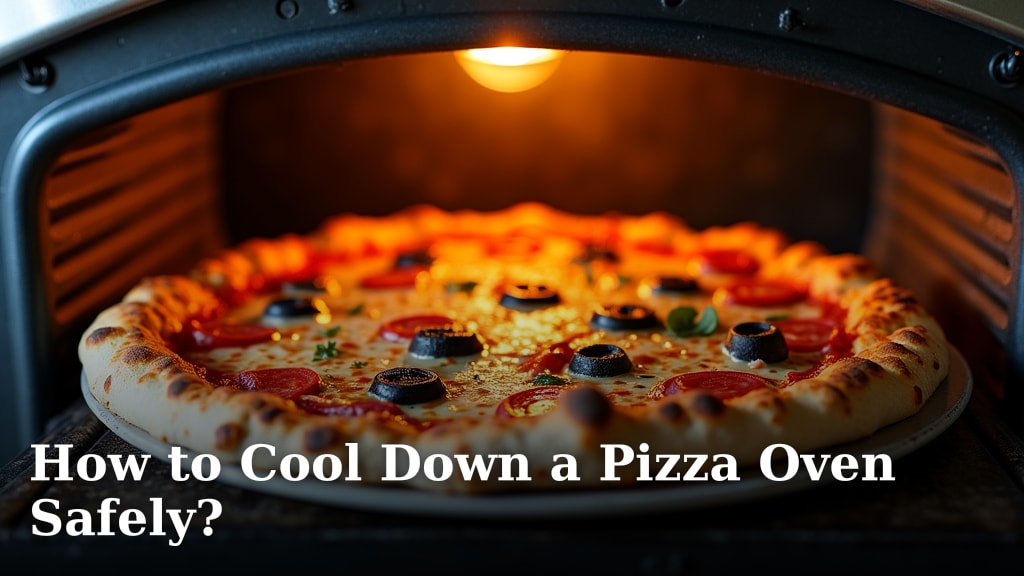
Cooling down your pizza oven safely is essential for preventing damage and ensuring it lasts for years. You should never use water to rapidly cool a hot pizza oven, as this can cause cracking and thermal shock. Instead, allow your oven to cool naturally over several hours.
After a fiery cooking session, your oven’s dome and hearth retain a tremendous amount of heat. Rushing the cooling process can lead to expensive repairs and shorten the lifespan of your investment. Proper cooling is a simple but vital step for any pizza oven owner who wants optimal performance and longevity.
Here’s a quick rundown:
- Always let your pizza oven cool down slowly and naturally.
- Avoid using water, even for a quick cool-down.
- Patience is key to prevent oven damage.
- Cooling takes several hours, so plan accordingly.
Ready to make sure your pizza oven is safe and sound after your next bake? Let’s walk through the best methods to cool it down step by step.
Safely Bringing Down the Heat on Your Pizza Oven
You’ve just pulled off a pizza masterpiece. The oven worked hard, reaching intense temperatures. Now, it’s time to bring that heat down. Cooling your oven the right way protects its materials. It ensures you won’t face costly repairs later. We’ll guide you through the process step by step.
Understanding Oven Heat and Materials
Pizza ovens reach temperatures well over 700°F (371°C). This intense heat bakes your crust to perfection. But these high temperatures put stress on the oven’s structure. The dome and hearth are often made of refractory materials. These materials can expand when hot and contract when cool.
The Danger of Rapid Cooling
Imagine a hot pan you just took off the stove. If you plunge it into ice water, what happens? It might crack or even shatter. Pizza ovens face a similar risk. This rapid temperature change is called thermal shock.
Refractory bricks and cement are designed for heat. But they can’t handle sudden, drastic temperature drops. If you try to cool your oven quickly, you risk causing cracks in the dome. You might also damage the hearth. This is a risk that is simply not worth taking.
Why Natural Cooling is Best
Nature has its own pace. Letting your oven cool down naturally follows this pace. The heat dissipates slowly over several hours. This gradual cooling allows the oven materials to contract gently. There’s less stress on the bricks and mortar. This preserves the oven’s integrity for many years to come.
The Step-by-Step Cooling Process
Once your cooking is done, resist the urge to speed things up. The best approach is to do nothing but wait. Here’s how to ensure a safe cooldown.
Step 1: Stop Adding Fuel
The very first step is to stop feeding the fire. Remove any remaining wood from the oven. You want the flames to die down naturally. This allows the oven to start its cooling process gradually. Don’t try to bank the coals or push them aside to speed up the burn.
Step 2: Leave the Door Open (or Partially Open)
Once the visible flames are gone, you can open the oven door. Some people recommend leaving it fully open. Others suggest leaving it ajar. A slightly open door allows some air circulation. This helps heat escape, but not too quickly. It’s a gentle way to encourage cooling.
This ventilation helps prevent a buildup of superheated air inside. It’s a subtle but important detail. Think of it like cracking a window in a hot car. It lets the worst of the heat out without a sudden rush of cold air.
Step 3: Patience is Your Greatest Tool
This is the hardest part for many people. You’ve just enjoyed some delicious pizza. You’re probably ready to clean up and relax. But your oven is still very hot. Cooling can take anywhere from 4 to 12 hours, or even longer.
The time it takes depends on the oven’s size and how hot it was. A large oven that was fired up for a long bake will take longer. Smaller ovens might cool down a bit faster. Don’t rush it. Check the temperature with an infrared thermometer if you want to be sure. Wait until it’s cool enough to touch safely.
What NOT to Do: Common Mistakes to Avoid
We’ve covered what to do, but it’s just as important to know what *not* to do. Some actions, though seemingly helpful, can cause significant damage.
Never Use Water to Cool Your Oven
This is the golden rule. Never, ever pour water on a hot pizza oven. Not even a little bit. Water evaporates very quickly at high temperatures. This rapid change creates steam. The steam can force its way into the pores of the refractory materials. This can cause them to expand suddenly. That’s a recipe for cracks.
Even spraying a hose might seem tempting on a hot day. But the risk of thermal shock is too great. Researchers have noted that materials like ceramics and refractories are susceptible to rapid temperature changes (American Ceramic Society). This is true for your oven, too. Stick to natural air cooling.
Don’t Try to Remove Hot Ash or Embers Quickly
While you’ll want to clean your oven eventually, do it safely. Trying to scoop out hot coals or ash can be dangerous. It can also disrupt the natural cooling process. Let the embers die out completely. Wait until the oven has cooled significantly before you attempt any cleaning.
Avoid Covering a Still-Hot Oven
Some owners like to cover their ovens to protect them from the elements. This is a good practice, but not when the oven is still hot. Covering a warm or hot oven traps heat inside. This can slow down the cooling process significantly. It can also lead to moisture buildup.
Wait until the oven is completely cool to the touch before you put on any covers or protective tarps. This allows for optimal airflow. It prevents condensation from forming. Moisture trapped inside can be just as damaging as thermal shock.
Monitoring Oven Temperature During Cooling
How do you know when your oven is cool enough? You can rely on touch, but it’s safer to be more precise. An infrared thermometer is a fantastic tool for this. You can get readings from a distance without touching the hot surfaces. Aim it at the hearth and the dome.
What’s a Safe Temperature?
Most experts suggest waiting until the oven is below 200°F (93°C). This is well below the boiling point of water. At this temperature, the risk of thermal shock is minimal. The materials have contracted back to their near-original state.
You can also simply use the touch test. With extreme caution, gently touch the oven dome or hearth. If it’s still too hot to comfortably keep your hand there for a few seconds, it’s still too hot to cool further. Err on the side of caution. Better to wait an extra hour than to risk damage.
Preparing for the Next Bake: Post-Cooling Checks
Once your oven has cooled, it’s a good time for a quick inspection. This allows you to catch any minor issues before your next pizza party.
Visual Inspection for Cracks
Look over the dome and hearth. Are there any new cracks? Small hairline cracks are often normal. They can appear over time due to the expansion and contraction cycle. However, larger cracks might indicate a problem.
If you find significant damage, don’t ignore it. Consult your oven manufacturer’s guidelines or a professional. For minor cracks, there are refractory repair kits available. These can help you patch them up. You can find these at specialty home and garden stores.
Checking the Hearthstones
Ensure your hearthstones are all in place. Make sure none have shifted or cracked badly. Loose or damaged hearthstones can affect cooking performance. They can also be a tripping hazard if they protrude too much.
Cooling Considerations for Different Oven Types
While the basic principle of slow, natural cooling applies to all pizza ovens, there are minor differences.
Wood-Fired vs. Gas Pizza Ovens
Wood-fired ovens typically reach higher temperatures. They also have more residual embers to manage. The cooling process might take slightly longer. Gas ovens often have more precise temperature controls. They might cool down a bit more predictably. However, the core principle remains: no water, no rushing.
Portable vs. Built-in Ovens
Portable ovens, being smaller, might cool faster. Built-in ovens, especially larger brick ones, can retain heat for a very long time. They might require a longer cooldown period. Always consider the size and construction materials of your specific oven.
A Quick Cooling Checklist
Here’s a simple checklist to keep your oven safe during cooldown:
- Remove all wood and fuel from the oven.
- Let the flames die out completely on their own.
- Leave the oven door slightly ajar.
- Resist the urge to use water for cooling.
- Wait until the oven is cool to the touch or below 200°F (93°C).
- Perform a quick visual inspection after cooling.
Conclusion
You’ve learned that safe pizza oven cooling is all about patience and avoiding drastic measures. By letting your oven cool naturally, you protect its robust materials from cracking and thermal shock. Remember to stop adding fuel, leave the door ajar, and simply wait for the heat to dissipate over several hours. A little patience now means many more delicious pizzas in the future. For your next bake, make natural cooling your first step after the fire dies down.
Frequently Asked Questions
How long does it typically take for a pizza oven to cool down?
Cooling times can vary, but generally, expect it to take anywhere from 4 to 12 hours. Larger ovens or those fired at extremely high temperatures will require longer. It’s best to allow ample time rather than guessing.
Can I speed up the cooling process with a fan?
While a fan might seem like a good idea, it’s generally not recommended for rapid cooling. Fans can create uneven cooling, potentially stressing certain areas of the oven. Natural airflow is the safest bet for preventing damage.
What if I see small cracks after my oven cools?
Tiny hairline cracks are often normal and can occur due to the natural expansion and contraction of materials. However, if you notice larger or deeper cracks, it’s wise to inspect them further and consider using a refractory repair kit.
Is it okay to clean out ash while the oven is still warm?
It’s best to wait until the oven has cooled considerably before attempting to clean out ash or embers. Removing hot material too early can be dangerous and may disturb the cooling process. Ensure embers are fully out and the oven is not excessively hot.
When is it safe to put a cover on my pizza oven after use?
You should only cover your pizza oven once it has completely cooled down. Covering a hot oven traps heat and moisture, which can lead to condensation and potential damage. Wait until it’s cool to the touch before applying any protective covers.
