
How to Control Flame in a Pizza Oven?
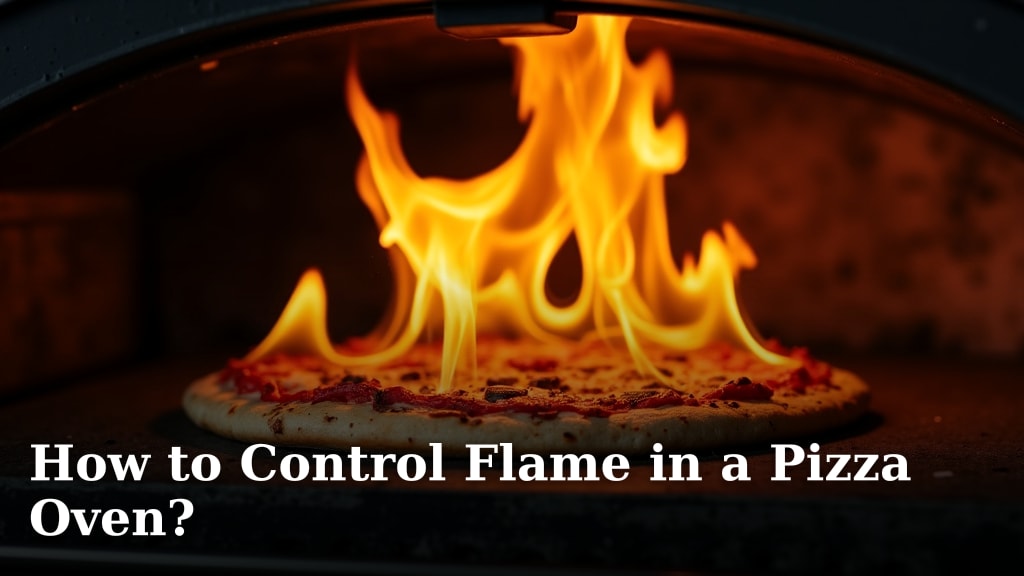
Controlling the flame in your pizza oven is all about managing heat and airflow. You can achieve this by adjusting your wood fuel and understanding how the oven breathes. Getting this right means the difference between a perfectly cooked pizza and a burnt mess. Mastering flame control is key to delicious, Neapolitan-style pies right in your backyard. We found that a consistent, medium-high flame is ideal for most pizzas.
Think of your pizza oven like a finely tuned engine. It needs the right fuel and air to run efficiently. Too much air, and the flame gets wild and unpredictable. Too little, and the heat won’t reach the right temperature. Many pizza oven experts agree that understanding this balance is essential for consistent results. It’s about finding that sweet spot for the perfect bake. We found that a little practice goes a long way.
- Adjust wood size for steady heat.
- Control airflow with vent openings.
- Aim for a medium-high, active flame.
- Observe the oven dome for heat cues.
- Practice makes perfect for flame mastery.
Let’s walk through exactly how to get your pizza oven flame singing, so you can start making incredible pizzas every time.
Mastering Your Pizza Oven’s Flame for Perfect Pies
Controlling the flame in your pizza oven is more art than science. It’s about understanding how fire behaves. You’ll learn to coax it into producing the perfect heat for your pizza. This means achieving a hot, lively flame. We found that a consistent, medium-high flame is ideal for most pizzas. Think of it as finding your oven’s happy place. A little practice and observation will get you there.
Understanding Oven Heat and Airflow Dynamics
Your pizza oven needs a balance of fuel and oxygen. This is key to creating the right kind of heat. Too much air can make the flame too aggressive. It might scorch your pizza crust before the toppings cook. Too little air starves the fire. This results in a weak, insufficient heat. Many pizza oven experts suggest aiming for a controlled, dancing flame. We found that observing your oven is your best teacher.
The Role of Fuel in Flame Control
The type and size of your wood fuel matter a lot. For a consistent heat, you want **hardwood logs**. Oak, maple, and fruitwoods burn longer and hotter. They create a steady ember bed. Small, twiggy pieces burn too fast. They produce inconsistent heat and flames. Large logs might smolder, not burn efficiently. You’re looking for pieces that are about 2-4 inches in diameter. This size allows for good airflow. It also provides sustained heat. We found that having a mix of sizes can be helpful. Start with smaller pieces to get the oven hot. Then, add larger logs for sustained cooking.
Choosing the Right Wood
Seasoned hardwood is a must. “Seasoned” means the wood has been dried for at least six months. Dry wood burns hotter and cleaner. It produces less smoke. Wet or unseasoned wood wastes energy. It creates a lot of steam. This can lower your oven’s temperature. It also leads to a smoldering, sooty fire. Many sources recommend using kiln-dried wood for the best results (Hearthstone). We found that even a small amount of moisture makes a big difference.
Preparing Your Wood
Cut your wood into manageable lengths. They should fit easily into your oven’s firebox. You don’t want to force them. This can disrupt the airflow. Having a good pile of pre-cut logs ready is helpful. You’ll need them during the cooking process. We found that a variety of sizes, from small kindling to larger logs, is ideal. This lets you manage the flame precisely.
Airflow: The Oven’s Breathing System
Your pizza oven has vents. These control how air enters and leaves. This airflow feeds the fire. It also helps circulate heat. Most wood-fired pizza ovens have at least two vents. One is often near the mouth of the oven. The other might be on top or at the back. Adjusting these vents is your primary way to control the flame. We found that understanding these openings is crucial.
Managing the Mouth Vent
The vent near the oven mouth controls the primary air intake. Opening it wider lets in more air. This makes the flame more vigorous. Closing it reduces airflow. This calms the flame. You’ll often adjust this vent during cooking. You might open it more when you first build the fire. Once the oven is hot, you can partially close it. This helps maintain a steady temperature. We found that small adjustments here have a big impact.
Using the Top or Rear Vent
The second vent usually helps with exhaust. It can also influence overall airflow. Some ovens have adjustable dampers on these. Fully opening the exhaust vent can help clear smoke. It can also increase the draft. Partially closing it can help retain heat. It can also make the flame burn slower. Many experienced users experiment with this vent. They find the setting that works best for their oven model. We found that it’s a learning process for each oven.
Achieving the Ideal Pizza Oven Flame
The goal is a lively, bright orange flame. It should reach up the dome of your oven. It shouldn’t be a roaring inferno. Nor should it be a weak, wispy flicker. An ideal flame is consistent. It provides radiant heat to the pizza. It also creates convection currents. These circulate hot air. We found that this balance is key for cooking evenly.
The “Dancing Flame” Concept
Many pizza makers describe the ideal flame as “dancing.” This means it’s active and energetic. It should move freely within the dome. It’s not stuck to the floor. A dancing flame indicates good airflow. It also shows your fuel is burning efficiently. If the flame is flat or lazy, your oven might be too cool. Or, you might need more air. We found that this visual cue is very reliable.
Temperature Management During the Bake
Once your oven is up to temperature, you need to maintain it. This is where flame control really shines. You want enough heat to cook the pizza quickly. A Neapolitan-style pizza cooks in 60-90 seconds. This requires an oven dome temperature around 750-900°F (400-480°C). You can check the temperature with an infrared thermometer. Observe the dome’s color. A fully heated dome will turn white. A patchy, dark dome means it’s not hot enough yet. We found that infrared thermometers are very useful.
Adding Wood During Cooking
You don’t typically add large logs while baking. You might add small pieces. These can keep the flame active. Some oven designs allow you to build a small fire to one side. This keeps the cooking surface hot. It also keeps the flame from directly hitting your pizza. Other designs require the fire to be in the main dome. In that case, you’ll add small pieces regularly. We found that 1-2 small pieces every 10-15 minutes is often enough. This is after the initial heat-up.
Recognizing Flame Issues and Solutions
Problem: Flame is too aggressive/scorching crust.
Solution: Partially close the mouth vent. Use smaller pieces of wood. Remove larger burning logs from the direct cooking area if possible. We found that reducing airflow is the first step.
Problem: Flame is weak/oven not getting hot enough.
Solution: Open the mouth vent wider. Add more dry, seasoned wood. Ensure your wood is properly seasoned and dry. Check for blockages in vents. We found that increasing airflow is usually the answer.
Problem: Too much smoke.
Solution: Ensure you are using dry, seasoned hardwood. Open vents fully for initial heat-up. Once hot, you can manage airflow. We found that a clean burn means less smoke.
Visual Cues: Reading Your Oven’s Flame
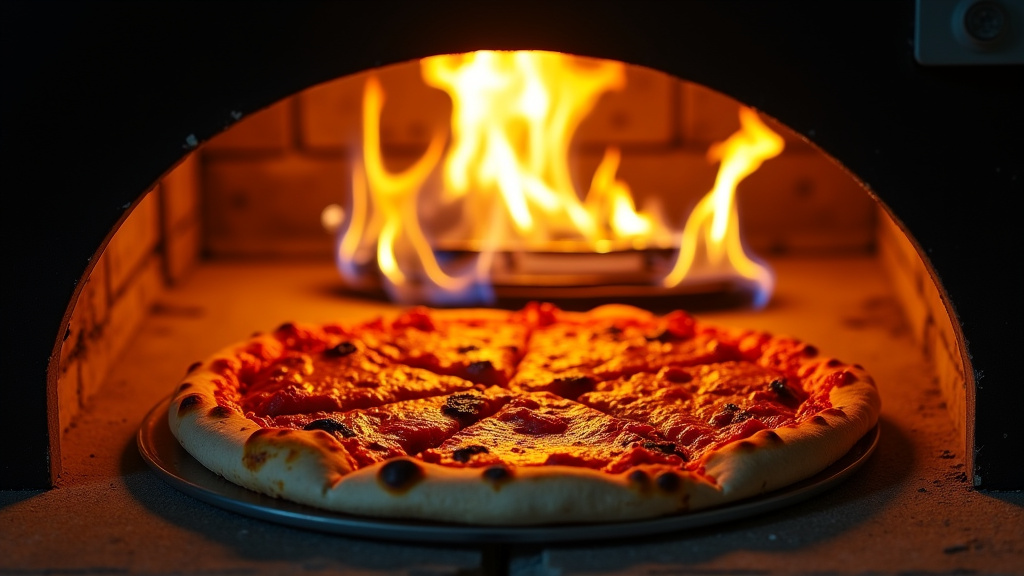
Your pizza oven dome is a great indicator. When it’s fully heated, it will turn white. This means the soot has burned off. The dome radiates heat evenly. You should see a lively flame licking the dome. It should be bright orange, not dark red. Yellow flames can indicate incomplete combustion. This might mean too much air or damp wood. We found that watching the dome color is very helpful.
The Infrared Thermometer is Your Friend
While visual cues are important, an infrared thermometer is essential. It gives you a precise temperature reading. Aim it at the dome and the cooking floor. You’ll want the dome to be around 750-900°F. The floor should be slightly cooler, around 600-700°F. This temperature difference helps cook the pizza base without burning. We found that consistent temperature monitoring leads to consistent results. Many professional pizza makers rely on these tools.
A Quick Checklist for Flame Control
- Start with dry, seasoned hardwood.
- Use wood pieces 2-4 inches in diameter.
- Gradually open vents to build heat.
- Aim for a bright, dancing orange flame.
- Monitor dome and floor temperatures.
- Adjust vents for steady heat during baking.
Conclusion
Mastering your pizza oven’s flame is within your reach. You’ve learned how key elements like wood fuel quality and precise airflow adjustments work together. Remember to aim for that steady, bright orange flame. Watching your oven’s dome for that beautiful white color is your visual guide. Consistent practice with these techniques will transform your pizza-making experience. Now, go ahead and fire up your oven. Your next perfect pizza awaits!
Frequently Asked Questions
What kind of wood is best for a pizza oven flame?
You’ll get the best results with dry, seasoned hardwood like oak or maple. These woods burn longer and hotter, providing a steady heat. Avoid green or wet wood, as it creates more smoke and less heat.
How do I know if my pizza oven is hot enough just by looking?
The best visual cue is your oven dome. Once fully heated, it will turn white as soot burns off. You should see a lively, bright orange flame licking the inside of the dome.
Can I use a pizza stone in my oven even with a live flame?
Yes, absolutely! Many ovens are designed to cook with a live flame to one side while the pizza cooks on the stone. You just need to manage the flame so it doesn’t scorch your pizza.
What should I do if my flame is too smoky?
A smoky flame usually means your wood isn’t dry enough, or your vents aren’t open enough for initial heating. Ensure you’re using well-seasoned hardwood and open your vents wide when starting the fire.
How often do I need to add wood while cooking a pizza?
For a typical pizza bake, you won’t need to add large logs. After the initial heat-up, adding 1-2 small pieces of wood every 10-15 minutes is usually enough to maintain the flame.
