
How to Choose Wood for a Pizza Oven?
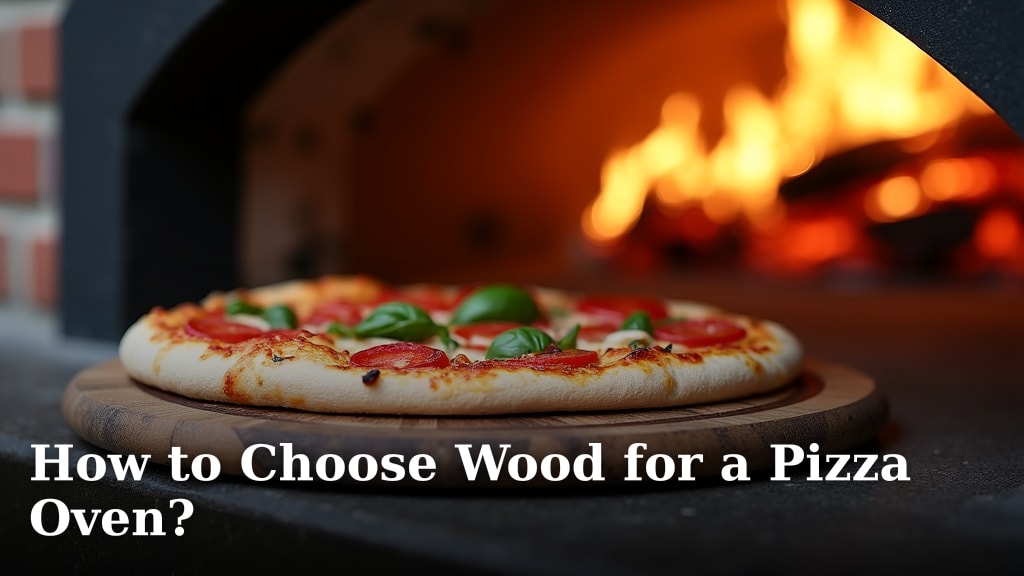
Choosing the right wood for your pizza oven is key to getting that authentic, smoky flavor. For the best results, you’ll want to use hardwoods like oak, maple, or apple. These woods burn hot and long, producing consistent heat and minimal ash for perfect pizzas.
We know that not all wood is created equal when it comes to high-temperature cooking. Using the wrong type can lead to a smoky oven that won’t get hot enough, or worse, impart an unpleasant taste to your food. Knowing your wood ensures your pizzas are cooked perfectly, with a delicious char and delightful smoky notes, just like the pros achieve.
- Hardwoods like oak, maple, and fruitwoods are best.
- They burn hot and produce consistent heat.
- Avoid softwoods like pine and fir, they burn too fast.
- Ensure your wood is well-seasoned and dry.
Ready to build that perfect pizza oven fire? Let’s look at the wood options that will help you achieve wood-fired pizza perfection right in your backyard.
“`htmlSelecting the Best Wood for Your Pizza Oven Fire
Choosing the right wood is a **game-changer** for your pizza oven experience. You’re not just burning fuel; you’re building flavor. The wood you select impacts heat, burn time, and the taste of your pizza. We’ve found that the best wood creates a consistent, intense heat perfect for Neapolitan-style pizzas.
Think of your pizza oven like a fine instrument. The wood is the music it plays. Using the wrong kind can result in a fire that sputters out or burns too quickly. This means unevenly cooked pizza. We want a beautiful, crispy crust with just the right amount of smoky char, right?
Hardwoods vs. Softwoods: The Wood Warrior’s Guide
The main distinction comes down to hardwoods and softwoods. This is a **fundamental concept** when picking fuel for any high-heat application.
The Mighty Hardwoods
Hardwoods come from deciduous trees. These trees lose their leaves annually. Examples include oak, maple, and fruitwoods. We found that hardwoods generally have a **denser composition**. This means they burn slower and hotter than softwoods. They also produce more coals. This makes them ideal for maintaining a consistent oven temperature for longer periods. Your pizza gets that beautiful, even cook.
Oak: The Versatile Veteran
Oak is a fantastic choice for pizza ovens. It burns hot and long. You’ll get a **steady heat output**. Oak also imparts a mild, pleasant smoky flavor. Many pizza oven enthusiasts consider oak a reliable workhorse. We found that it’s readily available in most regions.
Maple: The Sweet Performer
Maple wood is another excellent option. It burns very hot. Maple also has a **subtle sweetness** in its smoke. This can add a delightful layer to your pizza’s flavor profile. It burns cleanly with minimal creosote buildup. That’s good news for your oven’s longevity.
Fruitwoods: The Artisanal Touch
Fruitwoods like apple, cherry, and pecan are popular for a reason. They provide a **wonderful aroma** as they burn. Apple and cherry wood, for instance, offer a mild, sweet smoke. Pecan can give a slightly richer, nuttier flavor. These woods often burn a bit faster than oak. They are great for shorter cooking sessions or adding a final flavor boost. We found that using a blend of fruitwood and a denser hardwood can offer the best of both worlds.
The Speedy Softwoods
Softwoods come from coniferous trees. These trees typically have needles and cones. Examples include pine, fir, and cedar. We found that softwoods are much **less dense** than hardwoods. This means they burn very quickly. They also tend to produce more sparks and creosote. Creosote is a sticky residue that can build up in your chimney and oven. This buildup can be a fire hazard. Using softwood can also lead to a **sooty fire** that won’t reach or maintain optimal pizza-cooking temperatures.
While softwoods are great for starting a campfire or for general heating, they’re generally not recommended for your pizza oven. You’ll be adding wood constantly. The heat will be inconsistent. Your pizza might end up with a **bitter, acrid taste**. We’ve heard from many users who tried softwoods and were disappointed. Save your softwoods for a cozy evening fire, not your artisan pizzas.
The Golden Rule: Seasoning Your Wood
No matter which type of wood you choose, its condition is **absolutely critical**. This is where the term “seasoned” comes in. Seasoned wood means wood that has been dried properly. This process removes most of its moisture content.
Why Moisture Matters So Much
Wet or unseasoned wood is a pizza oven’s enemy. When you try to burn wet wood, a lot of the energy from the fire is spent boiling off the water. This results in a **weak, smoky fire**. It will be hard to get your oven hot enough. The steam produced can also contribute to creosote buildup. We found that properly seasoned wood has a moisture content of **around 15-20%**.
How to Tell if Your Wood is Seasoned
There are a few telltale signs. Seasoned wood typically looks lighter in color. It might have cracks or checks, especially at the ends. When you knock two pieces together, they should make a **clear, sharp clacking sound**. Wet wood sounds dull and thuddy. Also, seasoned wood is noticeably lighter than green wood of the same size. You can also use a moisture meter for a precise reading. We recommend investing in one if you plan to burn a lot of wood.
The Art of Drying Wood (Seasoning)
Seasoning typically takes anywhere from six months to two years. It depends on the type of wood, the climate, and how it’s stored. You want to store your wood in a way that allows air to circulate around it. A simple wood rack covered with a tarp on top, leaving the sides open, is often sufficient. The goal is to let the sun and wind do their work, **gradually drying the wood**. Never store unseasoned wood inside your home or garage. It needs to breathe!
What Wood to Avoid for Your Pizza Oven
Beyond softwoods, there are a few other types of wood you should steer clear of for pizza ovens. It’s important to be **selective** to ensure the best results.
- Treated Lumber: Never use wood that has been treated with chemicals. This includes pressure-treated wood, painted wood, or wood that has been stained. The chemicals can release toxic fumes when burned. They can also contaminate your food. This is a serious health risk.
- Manufactured Wood Products: Plywood, particleboard, and MDF are not suitable for pizza ovens. They contain glues and resins that release harmful fumes. They also burn unpredictably.
- Moldy or Rotting Wood: While some people think old wood is fine, wood that is actively rotting or covered in mold can produce **unpleasant flavors and odors**. It might also indicate a higher moisture content. Stick to clean, sound wood.
Quick Checklist: Your Pizza Oven Wood Guide
To sum it all up, here’s a quick checklist to help you make the **best wood choices** for your pizza oven:
- Choose hardwoods like oak, maple, or fruitwoods.
- Ensure your wood is well-seasoned (low moisture content, around 15-20%).
- Look for light color, cracks, and a hollow sound when tapped.
- Avoid softwoods like pine and fir; they burn too fast and smokily.
- Never use treated lumber, plywood, or particleboard.
- Store your wood properly to keep it dry and seasoned.
Conclusion
You’re now well-equipped to choose the perfect wood for your pizza oven. Remember, your fire is the heart of your pizza-making. By sticking to dense, seasoned hardwoods like oak or maple, you ensure consistent, high heat for that perfect crust. Fruitwoods add a delightful smoky nuance. Always prioritize dry, clean wood, and avoid softwoods and treated lumber to keep your pizzas tasting great and your oven safe. Your next delicious wood-fired pizza awaits!
Frequently Asked Questions
Can I use my leftover firewood from a campfire in my pizza oven?
Generally, no. Campfire wood often includes softwoods or unseasoned pieces that burn too quickly and produce excessive smoke. For pizza ovens, you need consistent, clean heat, so it’s best to use wood specifically seasoned for high-temperature cooking.
How much wood do I need to get my pizza oven hot?
The amount of wood needed varies based on your oven’s size, insulation, and the type of wood. You’ll typically start with a few good-sized pieces of seasoned hardwood and add more as needed to maintain a roaring flame and a bed of hot coals.
Does the type of wood affect the pizza’s flavor more than the cooking time?
Yes, the wood choice significantly impacts flavor. While cooking time is vital for texture, the smoke produced by hardwoods like oak or fruitwoods imparts a unique, desirable smoky taste that you can’t get from other fuels.
What’s the difference between burning wood for a pizza oven versus a regular fireplace?
Pizza ovens require extremely high and consistent temperatures for fast cooking, typically reaching 700-900°F. This means you need dense hardwoods that burn hot and long, whereas a fireplace is often used for ambient heat and can tolerate softer woods that burn slower.
How can I store my pizza oven wood to keep it seasoned?
Store your wood off the ground on a rack or pallet. Keep it in a well-ventilated area, protected from rain and snow with a cover that allows air circulation on the sides. Proper storage prevents moisture absorption and maintains the wood’s dryness.
