
What Is the Safest Way to Use Wood Pellets in a Pizza Oven?

The safest way to use wood pellets in your pizza oven is to use only food-grade wood pellets specifically designed for cooking. Avoid using pellets meant for heating stoves or pellet grills, as these can contain additives that are harmful when ingested. Always check the pellet packaging to confirm they are safe for food preparation.
Using the wrong kind of pellets can release toxic fumes and chemicals into your food. This is why selecting the correct type of pellet is so important for both safety and flavor. We found that many people are unsure about this distinction, leading to potential risks. Understanding the difference ensures you get that delicious, smoky pizza flavor without any unwanted side effects.
- Always choose food-grade wood pellets.
- Never use pellets made for heating stoves.
- Check the packaging for confirmation.
- Avoid additives for a safe and tasty pizza.
Below, we’ll walk you through exactly what to look for and how to use wood pellets safely in your pizza oven so you can enjoy perfect pies. Let’s get cooking! Below, we’ll walk you through exactly what to look for and how to use wood pellets safely in your pizza oven.
Using Wood Pellets Safely in Your Pizza Oven
When you’re firing up your pizza oven, the fuel you choose makes all the difference. Wood pellets are a popular choice for many pizza oven owners. They offer a convenient and consistent burn. But not all pellets are created equal. Using the wrong type can introduce harmful chemicals into your delicious pizza. It’s essential to know how to pick the right ones. This ensures your pizzas are not only tasty but also safe to eat.
Understanding Wood Pellet Types
You might be surprised to learn there are distinct categories of wood pellets. They are made for different purposes. This is a key piece of information for anyone using them in a pizza oven. Let’s break down the main types you’ll encounter.
Heating Pellets: What They Are and Why They’re a No-Go
Heating pellets are designed for one thing: to generate heat in wood-burning stoves. These stoves are not meant for cooking food. To achieve a consistent burn and high heat output, heating pellets often include binders or additives. These can be things like guar gum or even small amounts of compressed bark. Unfortunately, these additives are not food-safe. When burned, they can release fumes and chemicals that transfer to your food. Imagine your perfect Margherita pizza suddenly tasting… off, or worse, being unsafe to consume. That’s the risk with heating pellets.
Pellet Grill Pellets: Close, But Still Not Quite Right
Pellet grills are becoming incredibly popular. They also use wood pellets. However, the pellets made for pellet grills are typically designed for flavor infusion rather than the intense, direct heat needed for pizza. While some might be made from pure wood, they can still contain flavor enhancers or blends that aren’t ideal for the high temperatures of a pizza oven. Many are also processed in ways that make them unsuitable for direct contact with food at pizza-oven temperatures. It’s better to stick to pellets specifically verified for pizza ovens.
Food-Grade Pellets: The Only Way to Go
This is where we find our safe haven. Food-grade wood pellets are the gold standard for pizza ovens. They are made from 100% natural wood, with absolutely no additives, binders, or flavorings. The wood itself is often sourced from hardwoods like oak, maple, or hickory, which burn cleanly and produce excellent flavor. Manufacturers of food-grade pellets ensure their products are safe for use in cooking applications. You’ll often see them labeled as “cooking pellets” or “food-grade pellets.” Always look for these explicit labels. Food-grade wood pellets are the gold standard for pizza ovens, made from 100% natural wood with no additives.
Identifying Safe Pellets: What to Look For on the Packaging
Choosing the right pellets is like selecting the freshest ingredients for your pizza. You want to know what you’re getting. The packaging is your best guide. Don’t be shy about examining it closely before you buy.
Key Phrases and Certifications to Seek Out
When you’re at the store or browsing online, keep an eye out for specific wording. Phrases like “100% natural hardwood,” “food-grade,” or “culinary grade” are strong indicators. Some manufacturers might also highlight specific certifications. While not universally required, certain safety standards ensure the pellets are free from harmful contaminants. Researching the brand can also be helpful. Many reputable brands specializing in outdoor cooking will clearly state the intended use of their pellets.
What to Avoid: Red Flags on the Bag
On the flip side, be wary of pellets that don’t provide clear information. If the packaging is vague, or if it mentions “industrial use” or “heating fuel,” steer clear. Any mention of “additives,” “binders,” or “flavor enhancers” that aren’t explicitly approved for food use is a major red flag. If you can’t find information confirming they are food-grade, it’s safest to assume they are not. Your pizza and your health are too important to gamble with.
The Importance of Pellet Material
The type of wood used matters for flavor, but also for safety. Hardwoods are generally preferred for cooking pellets. They burn hotter and cleaner than softwoods. Softwoods can produce more creosote and ash. For food-grade pellets, the focus is on pure hardwood without any chemical treatments. This ensures a clean burn and a pure, smoky flavor.
How to Safely Store and Handle Your Pellets
Once you’ve got your safe, food-grade pellets, storing them properly is just as important. This keeps them in good condition and prevents contamination. Think of it like storing your flour or sugar—you want to keep them fresh and clean.
Keeping Pellets Dry and Contaminant-Free
Wood pellets absorb moisture very easily. Damp pellets don’t burn well and can lead to mold growth. Always store your pellets in a cool, dry place. Keep the bag sealed tightly. If you buy pellets in bulk, consider using airtight containers. This protects them from humidity and pests. Avoid storing them directly on concrete floors, as these can draw moisture. A shelf or pallet is a better option.
Handling for Maximum Safety
When you’re ready to load your pizza oven, use a clean scoop or container. Avoid mixing old pellets with new ones if you suspect the old ones may have been contaminated. Some people find it helpful to have a dedicated pellet scoop for pizza oven use. This ensures that no unintended substances get mixed in. Always wash your hands before handling pellets, just as you would before preparing any food.
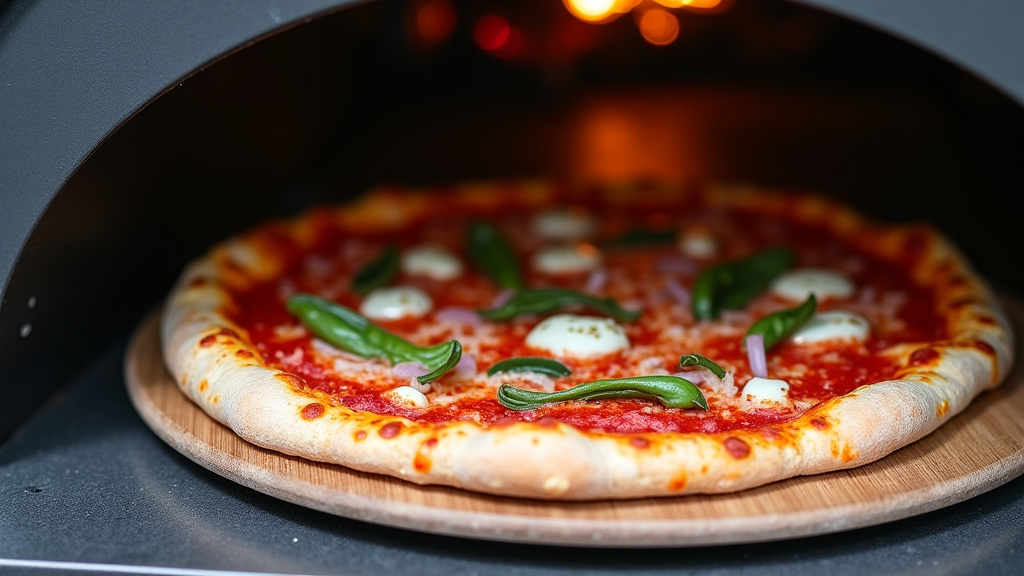
Pellet Usage in Your Pizza Oven: A Practical Guide
Now that you have the right pellets, let’s talk about using them in your oven. The goal is to achieve high heat for a perfect pizza crust while ensuring a clean burn.
Achieving Optimal Temperature with Pellets
Pizza ovens need to get very hot, often between 700-900°F (370-480°C). Food-grade pellets burn hot and efficiently. Follow your oven manufacturer’s instructions for reaching the target temperature. This usually involves filling the pellet hopper or basket and allowing the oven to preheat thoroughly. You may need to adjust the fuel feed rate to maintain the desired temperature. Consistent fuel supply is key for consistent heat.
Burn Time and Refueling
Be aware of how long your pellets burn. You don’t want your oven to cool down mid-bake! Keep an eye on the fuel level. Many pizza oven designs allow for easy refueling without significantly dropping the temperature. It’s a good practice to have extra pellets ready. You want to keep that intense heat going for perfectly cooked pizzas.
Monitoring the Burn and Emissions
A clean burn is a safe burn. When using food-grade pellets, you should see minimal smoke and ash. If you notice excessive black smoke or a foul smell, stop and investigate. This could indicate you’re using the wrong type of pellet or that your oven isn’t burning efficiently. Many experts recommend a clean burn for both safety and flavor. A dirty burn can impart bitter or acrid tastes to your pizza.
Troubleshooting Common Pellet Issues
Even with the best intentions, you might run into a snag. Here are a few common issues and how to solve them.
Pellets Not Burning Properly
If your pellets are sputtering or not producing enough heat, check a few things. First, ensure they are completely dry. Damp pellets are a common culprit. Make sure your fuel feed is consistent. If you’re using a hopper, ensure it’s not jammed. Sometimes, the ash buildup can impede airflow. Clean out any excess ash between uses.
Unexpected Smells or Flavors
This is your biggest warning sign. If your pizza tastes or smells strange, the pellets are likely the issue. Immediately switch to verified food-grade pellets. This problem often arises from using heating pellets. As noted by many health organizations, inhaling fumes from burning non-food-grade materials can be harmful (CDC). If you suspect contamination, discard the batch of pellets and thoroughly clean your oven.
Ash Management
While food-grade pellets produce less ash, it’s still something to manage. Accumulation of ash can affect airflow and heat distribution. Make it a habit to clean out your oven’s ash pan or firebox regularly. This ensures your oven performs at its best and burns as efficiently as possible. A clean oven is a happy, safe oven!
Your Pizza Oven Pellet Checklist for Peace of Mind
To make sure you’re always on the safe side, keep this quick checklist handy:
- Verify Food-Grade: Always confirm pellets are labeled “food-grade” or “culinary grade.”
- Check for Additives: Ensure there are no binders, glues, or unapproved flavorings.
- Pure Hardwood: Look for 100% natural hardwood pellets for the best burn and flavor.
- Dry Storage: Keep pellets in a sealed, cool, dry location away from moisture.
- Clean Handling: Use clean tools and wash hands before loading pellets.
- Monitor the Burn: Watch for clean flames and minimal smoke; address any odd smells immediately.
Conclusion
You’ve learned that the absolute safest way to use wood pellets in your pizza oven is to stick with food-grade pellets. These are made purely from natural wood, free from harmful additives. We found that heating or even some grill pellets can release unsafe fumes. Always check the packaging for “food-grade” or “culinary grade” labels. Proper storage in a cool, dry place and clean handling practices are also key. By following these simple steps, you can ensure delicious, safe pizzas every time.
Your next step is to grab a bag of certified food-grade pellets. Then, fire up that oven and enjoy your perfectly cooked pizza!
Frequently Asked Questions
Can I use the same wood pellets for my pizza oven as my wood stove?
No, you absolutely should not. Wood stove pellets often contain binders and additives that are not safe for cooking. Burning them in your pizza oven can release toxins into your food, making it unsafe to eat. Always use pellets specifically labeled as food-grade for your pizza oven.
What happens if I accidentally use heating pellets in my pizza oven?
If you accidentally use heating pellets, you risk exposing your food to harmful chemicals and fumes. This can impart an unpleasant taste or, more importantly, make your pizza unhealthy. If this happens, discard the food, stop using the pellets, and thoroughly clean your oven.
Are all hardwood pellets safe for pizza ovens?
Not all hardwood pellets are safe. While 100% natural hardwood is the base for good cooking pellets, you must ensure they are explicitly labeled as “food-grade” or “culinary grade.” This certification confirms they lack any binders or additives unsuitable for consumption.
How can I tell if pellets are truly food-grade if the packaging is unclear?
If the packaging is vague, it’s best to err on the side of caution and avoid those pellets. Look for clear statements like “100% natural hardwood,” “food-grade,” or “culinary grade” directly on the bag. Reputable brands will proudly display this information.
Do wood pellets expire or go bad?
Wood pellets themselves don’t technically expire, but they can degrade. They are highly susceptible to moisture, which can lead to mold and poor burning. Storing them in a sealed, cool, and dry environment will keep them in good condition for a long time. Always inspect them for mold before use.
